
Credit Card vs. Business Card Dimensions: What’s the Real Difference?
If you’ve ever wondered why some cards fit perfectly in your wallet while others feel a little off, you’re not alone! Credit cards and business cards might look similar at a glance, but their dimensions, thickness, and design features are actually quite different and those differences matter more than you might think.
Let’s break down what sets them apart (and why it matters when you’re designing cards for your team, your brand, or your next big event).
Why Do Card Size Standards Exist?
Standard sizes aren’t just about making cards look nice they’re about making your life easier. Here’s why:
Uniform Fit: Cards need to fit in wallets, readers, badge holders, and organizers worldwide.
Reliable Performance: Even tiny size mistakes can jam a card reader or make a card hard to grab from your wallet.
Easy Production: Manufacturers love standards because it means less waste and fewer mistakes.
Pro Tip: Sticking to standard sizes means fewer headaches for both you and the people using your cards. If you’re wondering exactly what are credit card dimensions, it helps to check the specs before you design or order your next batch.
Standard Credit Card Size: The Details
So, what’s the magic number for a credit card?
Size: 85.60 x 53.98 mm (that’s 3.370 x 2.125 inches)
Thickness: Usually about 0.76 mm (or 0.03 inches)
Shape: Rounded corners (for durability and smooth handling)
Components: Magnetic stripe or chip, always in the same place for universal compatibility
Why so precise?
Because credit cards need to work in slot machines, ATMs, and card readers all over the world. If they’re even a little bit off, they might not work at all.
Business Card Dimensions: What’s Typical?
Business cards are a bit more flexible, but most stick to a standard:
Size: 3.5 x 2 inches (about 89 x 51 mm)
Why this size? Fits comfortably in wallets, card holders, and pockets.
Design Freedom: You have more leeway with thickness, paper type, and finishes.
Bonus: Want to stand out? Try diecutting, unique textures, or rounded corners just make sure your card still fits in a wallet!
Dimensions vs. Thickness: What’s the Difference?
Dimensions: Think length and width (how big is the card overall?).
Thickness: How “deep” or chunky is the card? (Usually measured in millimeters.)
Here’s why it matters:
Too thick? Your card might not fit in a reader or a wallet slot.
Too thin? It feels cheap and wears out quickly.
Tip: For credit cards, always stick to industry standards. For business cards, you can go thicker for a premium feel, but don’t overdo it!
DieCutting, Bleed, and Edge Options for Business Cards
Want your business card to look pro? Pay attention to these:
Bleed: Extend your design 1/8 inch (3 mm) past the edge so you don’t get weird white borders after cutting.
DieCutting: Custom shapes are fun, but make sure important info isn’t too close to the edge.
Edge Finishes: Try rounded corners, bevels, or special textures for extra flair.
Material Matters: Comparing Credit Card & Business Card Construction
Credit Cards: Made from layered plastic (PVC) to handle swipes, taps, and daily abuse.
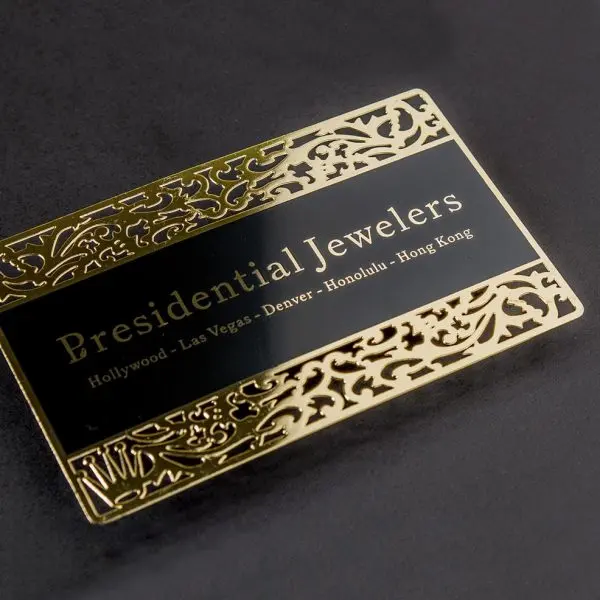
Business Cards: Usually heavy paper/cardstock, but can feature special coatings, embossing, or even metal for a luxe vibe.
Key Point: Credit cards must be machinefriendly; business cards are where you can get creative with material and finish.
Wallet & Badge Holder Fit: The RealWorld Test
Ever fumbled trying to pull a card out of your wallet? Here’s what affects that:
Fit: Standard sizes slide in and out smoothly.
Edge Shape: Rounded corners = less snagging.
Thickness: Too thick? It’s a tight squeeze. Too thin? Cards get lost or bend.
For pro settings: Badge holders often demand exact sizing stick to the standard to avoid frustration.
Branding & Design: Size as a Statement
Your card’s size and design say a lot about your brand. Think about:
First Impressions: Heavier cards and unique finishes feel more premium.
Legibility: Make sure your text is readable don’t cram too much in.
Consistency: Use the same size, colors, and finishes every time for a strong brand vibe.
Ordering & Replacement Tips for Teams
Keeping everyone stocked up on cards? Here’s how to stay organized:
- Plan Ahead: Figure out how many cards you need and when you’ll need replacements.
- Standardize: Use the same supplier and specs where possible for consistency.
- Track Orders: Keep a spreadsheet or use a simple tracking system.
- Review Regularly: Check your stock every quarter and reorder before you run out.
- Communicate: Let your team know when to expect their new cards.
The Takeaway
Credit cards and business cards might seem similar, but their dimensions, materials, and design requirements are very different and those differences really do matter in everyday use. Stick to standards for compatibility, but don’t be afraid to get creative with your business cards to make your brand shine.
Need to design or order new cards? Now you know exactly what to watch out for!